Mini PC or Laptop for Home Office? The Math That Changes the Decision
Performance per watt, ergonomics, upgrade costs, and the hybrid scenario almost nobody calculates correctly.
Main keyword: mini PC vs laptop for home office

How to compare two different categories
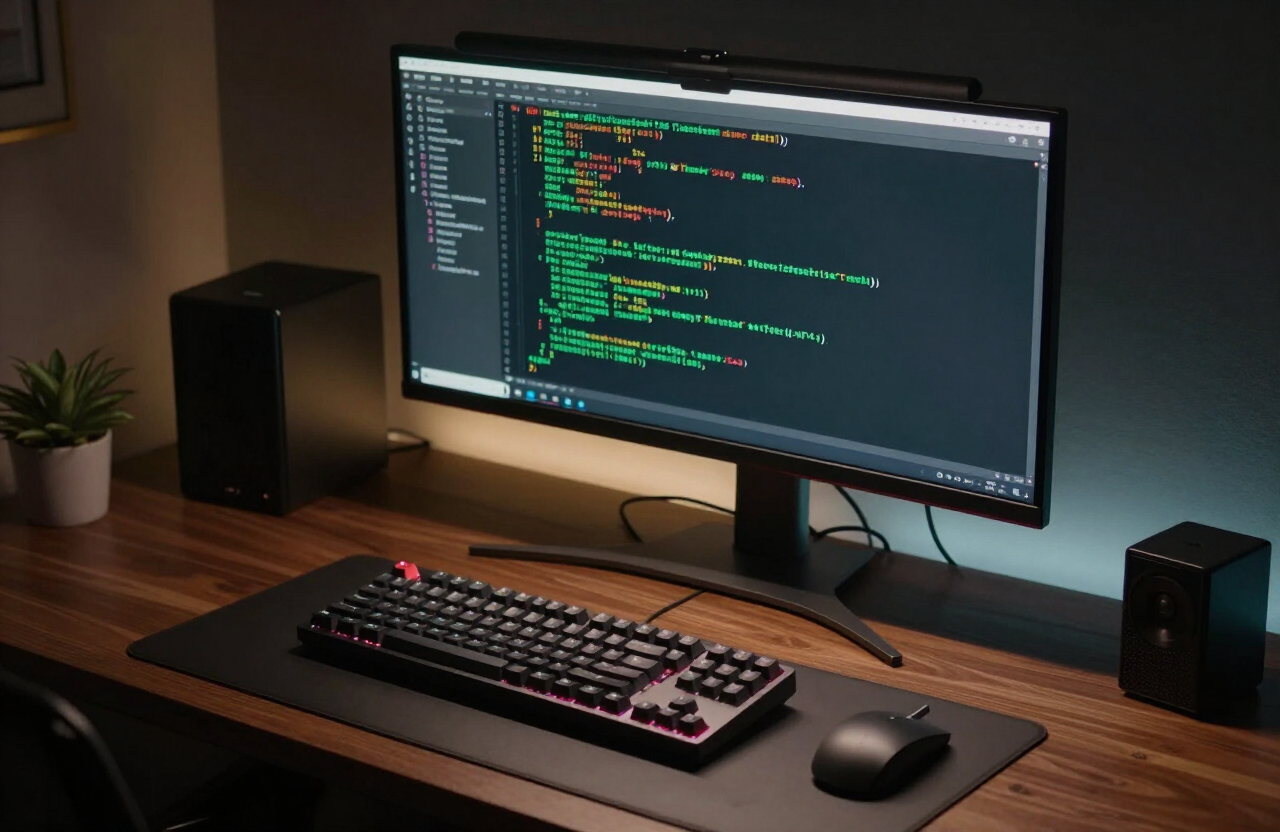
Comparing a mini PC to a laptop seems unfair until you realize most people working from home use their laptop closed, hooked up to an external monitor, keyboard, and mouse, without leaving the desk for weeks. In that scenario, you paid for a screen, battery, and keyboard that never get used — and got a chassis that throttles performance under heat.
Sustained performance is what actually matters
On short workloads, both are equivalent. After twenty minutes of continuous compiling, the laptop throttled down and delivered only 78% of its initial performance, while the mini PC held roughly the same numbers from the first minute to the last. For anyone editing video, compiling code, or running massive spreadsheets, that gap shows up every single day.
The real cost of the full setup
Adding up a 27" monitor, a mechanical keyboard, and a decent mouse, the mini PC setup came out about $140 cheaper than the equivalent laptop — with better performance and better ergonomics on top. If you already own a monitor and peripherals, the gap widens to over $300.
| Item | Mini PC Cube 8 | Notebook 14" |
|---|---|---|
| Tested configuration price | $650 | $950 |
| Sustained performance | 100% (no thermal throttling) | 78% after 20 min |
| Expandable memory | Yes, two slots | One free slot |
| Storage | Two M.2 NVMe slots | One M.2 NVMe slot |
| Noise under load | 36 dB | 45 dB |
| Portability | None without a monitor | Full |
| Typical power draw | 22W | 19W |
Pros
- + Mini PC delivers far better sustained performance per dollar spent
- + Laptop solves mobility without a mess of docks and cables
- + Both use less power than a traditional desktop
Cons
- − Mini PC requires a monitor, keyboard, and mouse, which changes the final math
- − Laptop loses performance under thermal limits during long tasks
- − Laptop upgrades are limited and more expensive
Frequently asked questions
Mini PC or laptop: which is better for home office work?
It depends on how you work. For those who stay at a fixed desk using an external monitor, keyboard, and mouse, the mini PC delivers more performance for less money. For those who need mobility, the laptop wins without question.
Does a mini PC perform better than a laptop?
On short workloads, both are equivalent. But under sustained use, like twenty minutes of continuous compiling, the laptop throttled down and dropped to 78% of its initial performance, while the mini PC held the same level from start to finish.
Is it worth it financially to build a mini PC setup with a monitor and peripherals?
Yes. Adding up a 27-inch monitor, a mechanical keyboard, and a mouse, the mini PC setup came out around $360 cheaper than the equivalent laptop. If you already own a monitor and peripherals, the savings jump past $360.
When is a laptop actually the better choice over a mini PC?
When you work in more than one place, travel, meet clients outside the office, or share a space without a fixed desk. In those cases, mobility beats any performance-per-dollar argument.
Is it worth buying a premium laptop just to use permanently closed on a desk?
Not recommended. If the laptop will stay permanently closed and hooked up to an external monitor, you're paying for a screen, battery, and keyboard that go unused — a mini PC delivers more performance for the same money in that scenario.
Nota de transparência: este conteúdo pode conter links de afiliado. Se você comprar através deles, o Decode Layer pode receber uma comissão, sem custo adicional para você.
When the laptop wins, no question
If you work from more than one place, travel, meet clients elsewhere, or share your home without a fixed workspace, mobility beats any performance-per-dollar argument. There's no adapter that gives a mini PC back its portability.
Verdict
Fixed desk and long tasks: mini PC, easily. Mobile routine or shared space: laptop. The expensive mistake is buying a premium laptop just to leave it permanently closed on a desk.
Where to buy
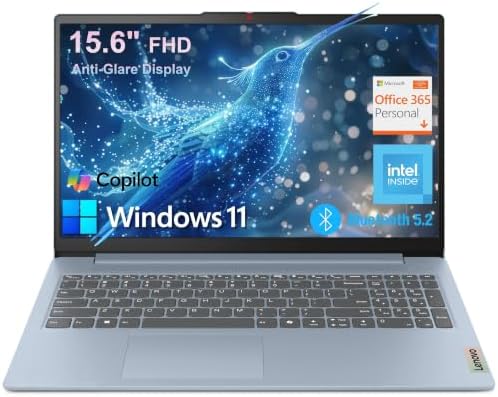
HP 15.6" Laptop – Complete Productivity Solution, Windows 11 with Microsoft Office, Intel 4 Core N100, 8GB RAM, 128GB UFS, 512GB SD Card, Copilot AI, Lightweight – Silver — $359.00. Buying through the link below supports Decode Layer at no extra cost to you.
Affiliate link. As an Amazon Associate, we may earn a commission from qualifying purchases.